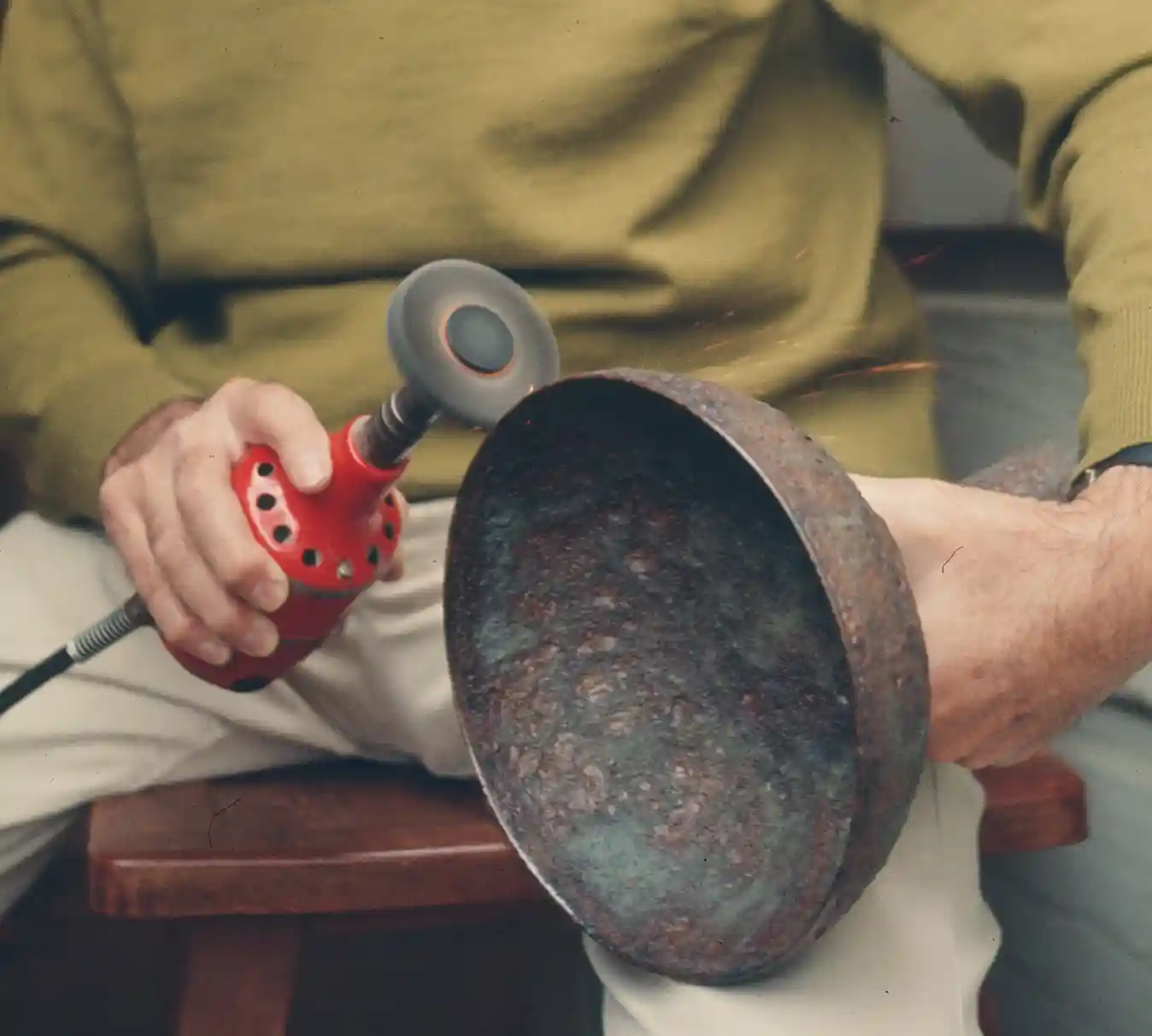
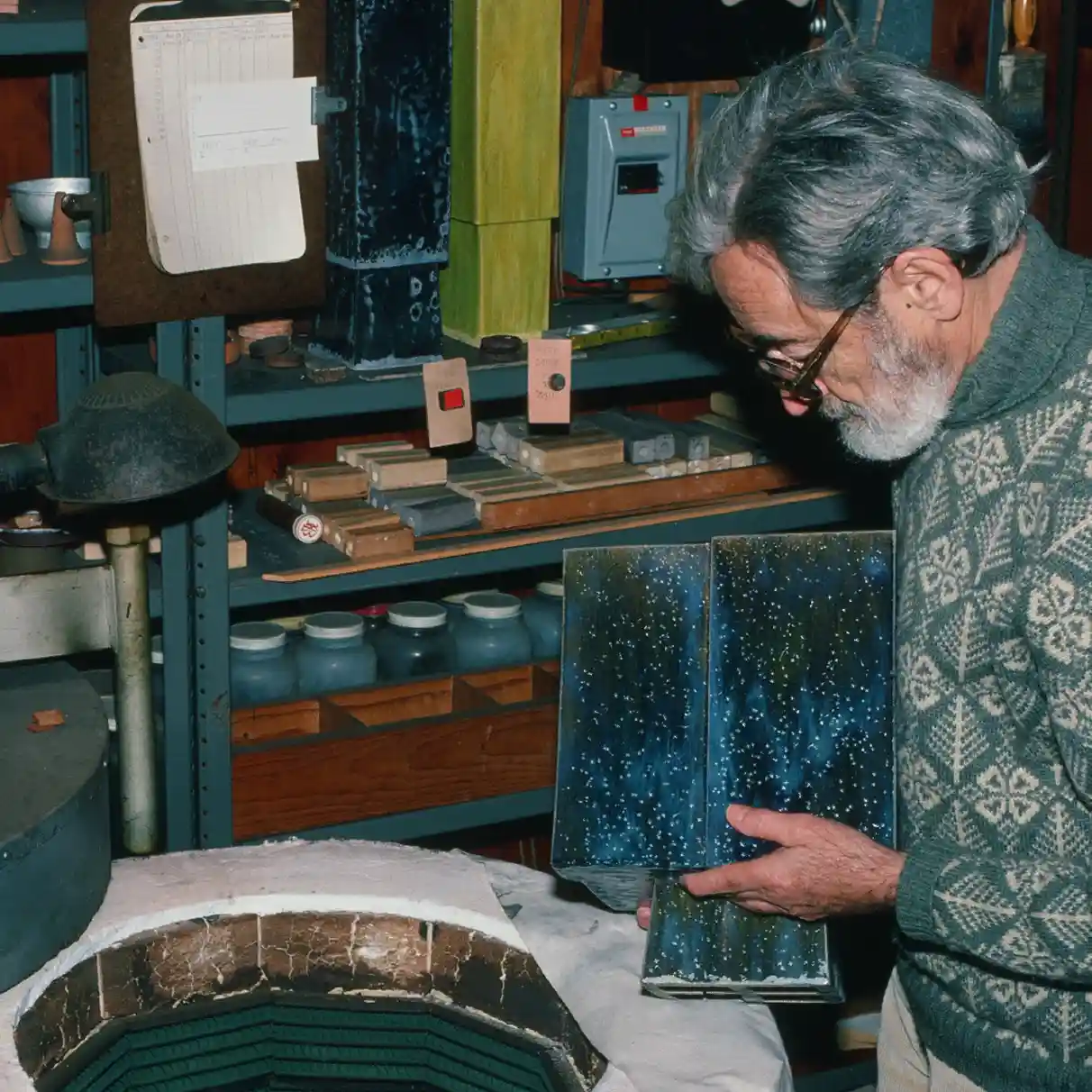
Gertrud + Otto
1908
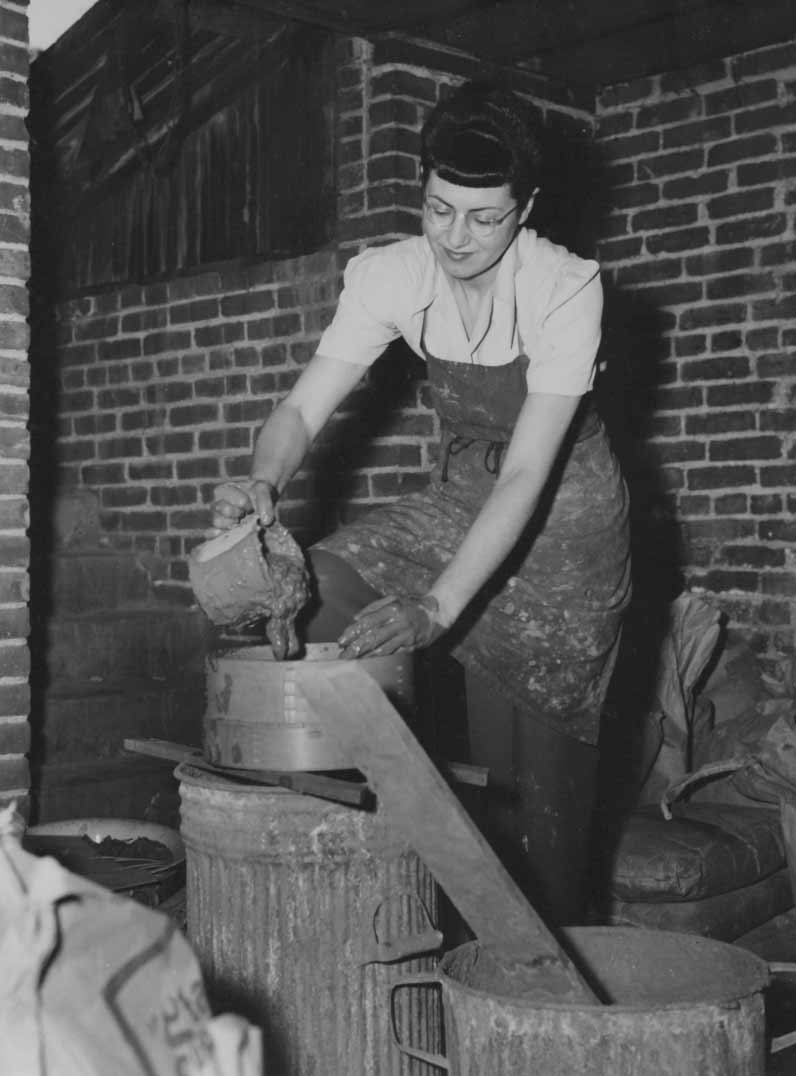
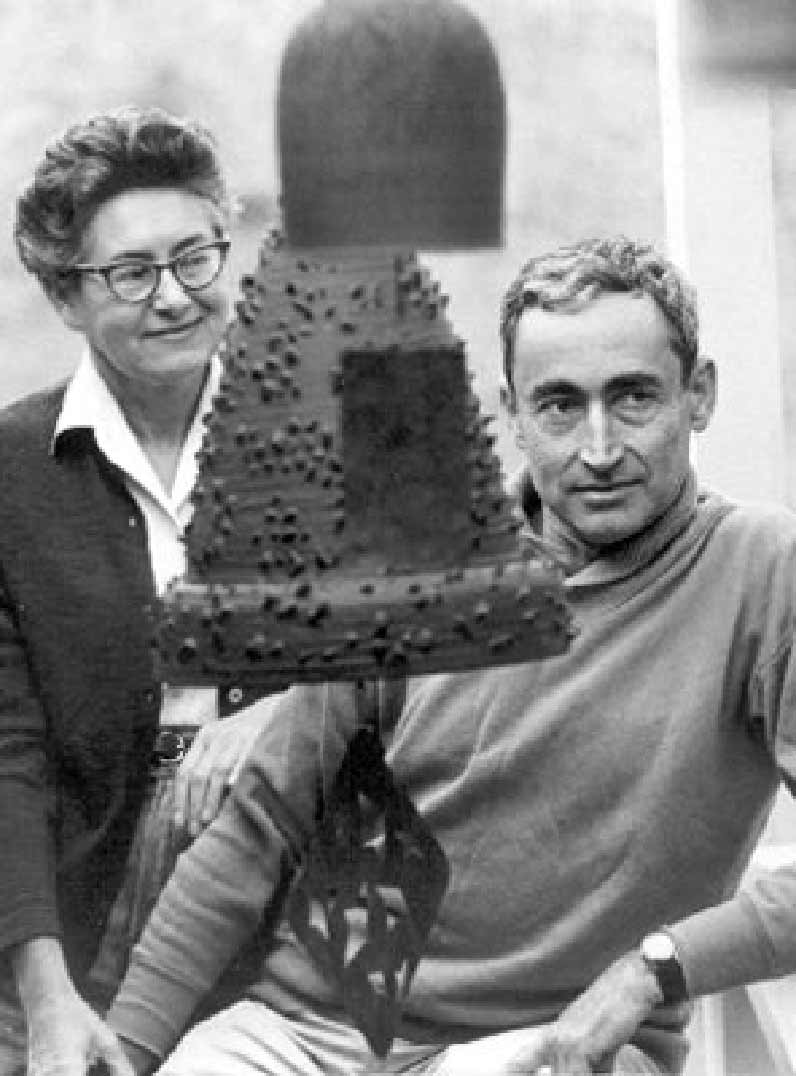
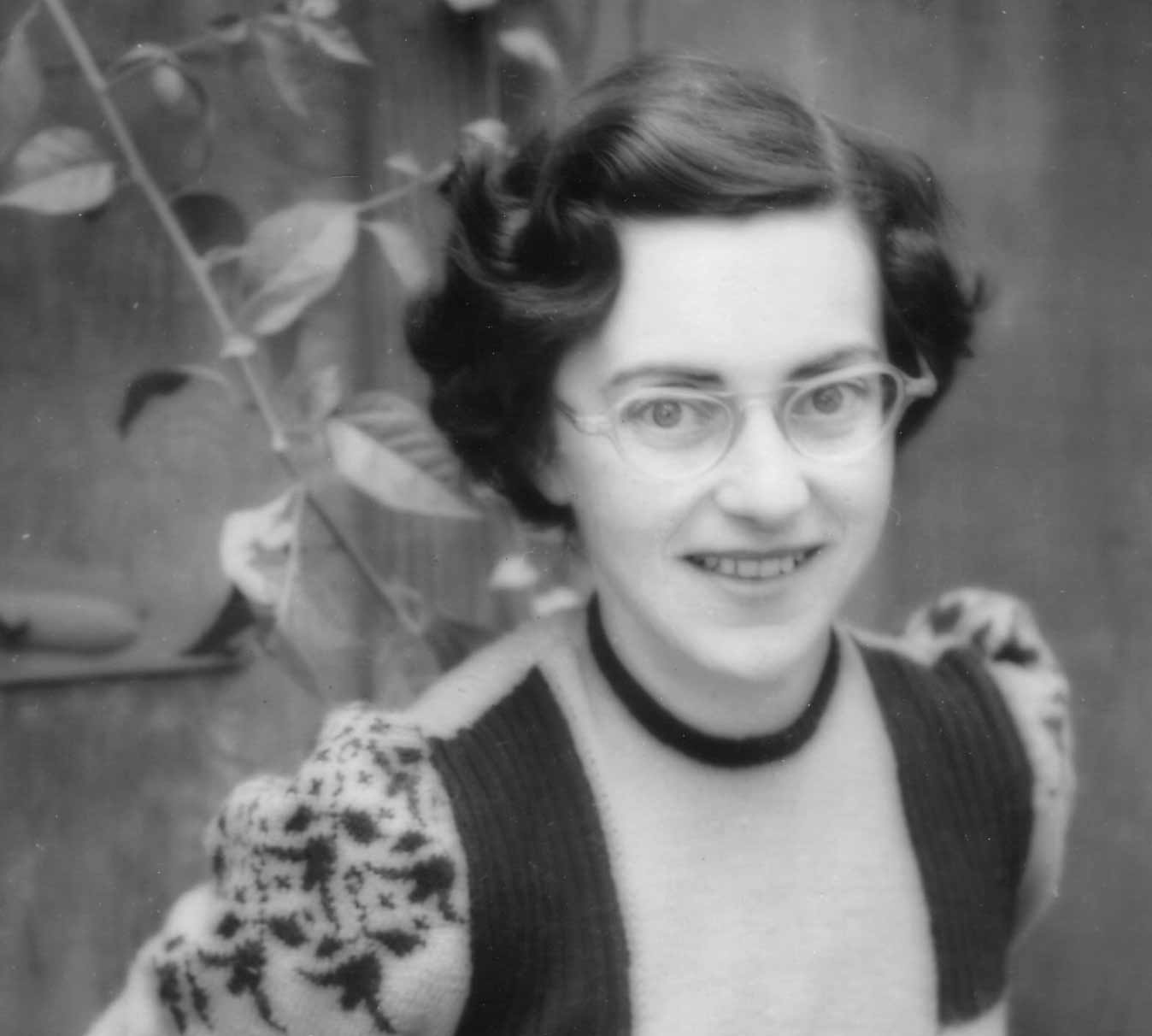
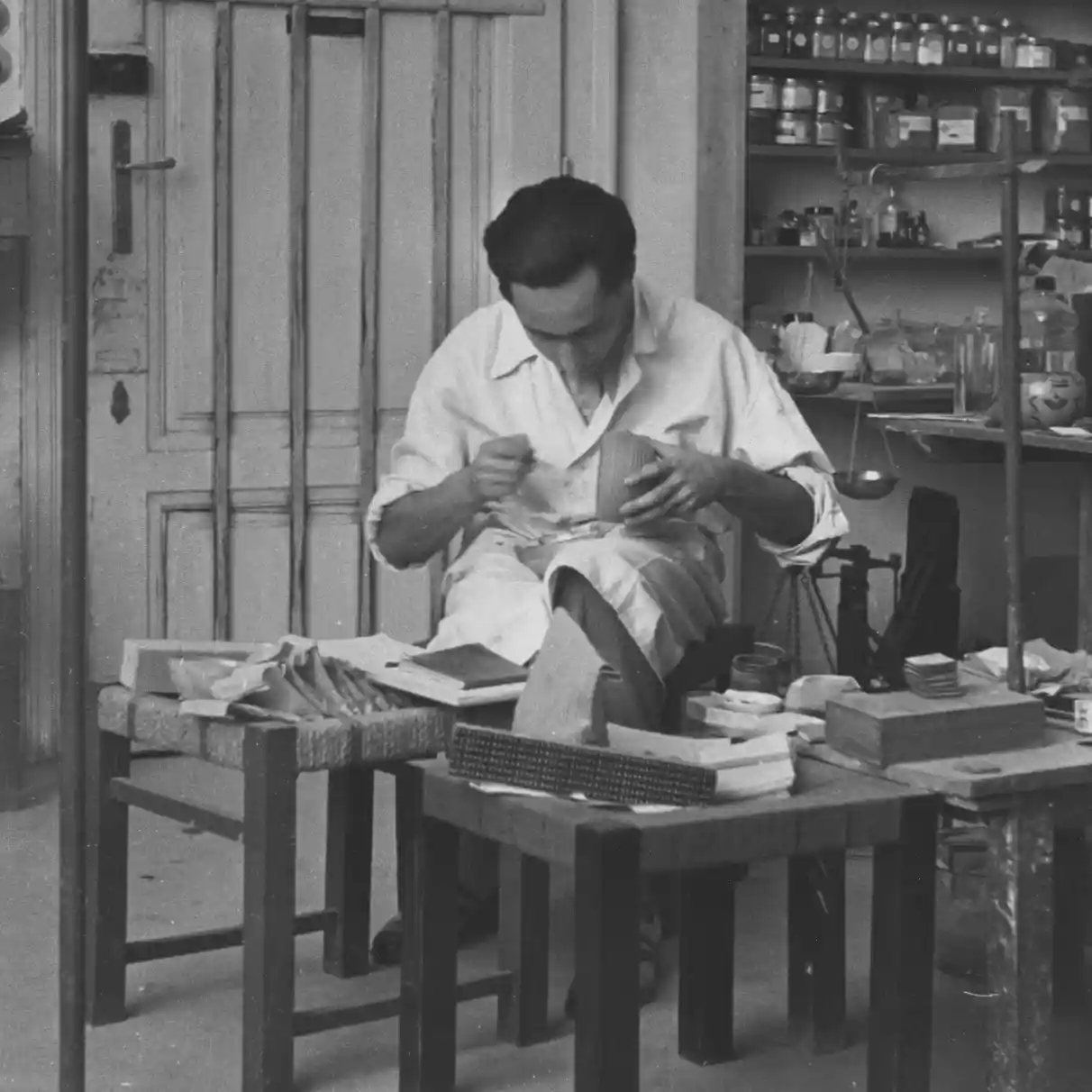
Gertrud Amon Natzler was born in Vienna in 1908 into an intellectually engaged Jewish family. From an early age, she was drawn to both art and science, especially chemistry. At a time when few women followed such intellectual paths, Gertrud was a natural pioneer, thoughtful and inquisitive. Long before her work in ceramics was fully realized, she was already developing the mindset that would later unite precision and poetry in her forms.
1908
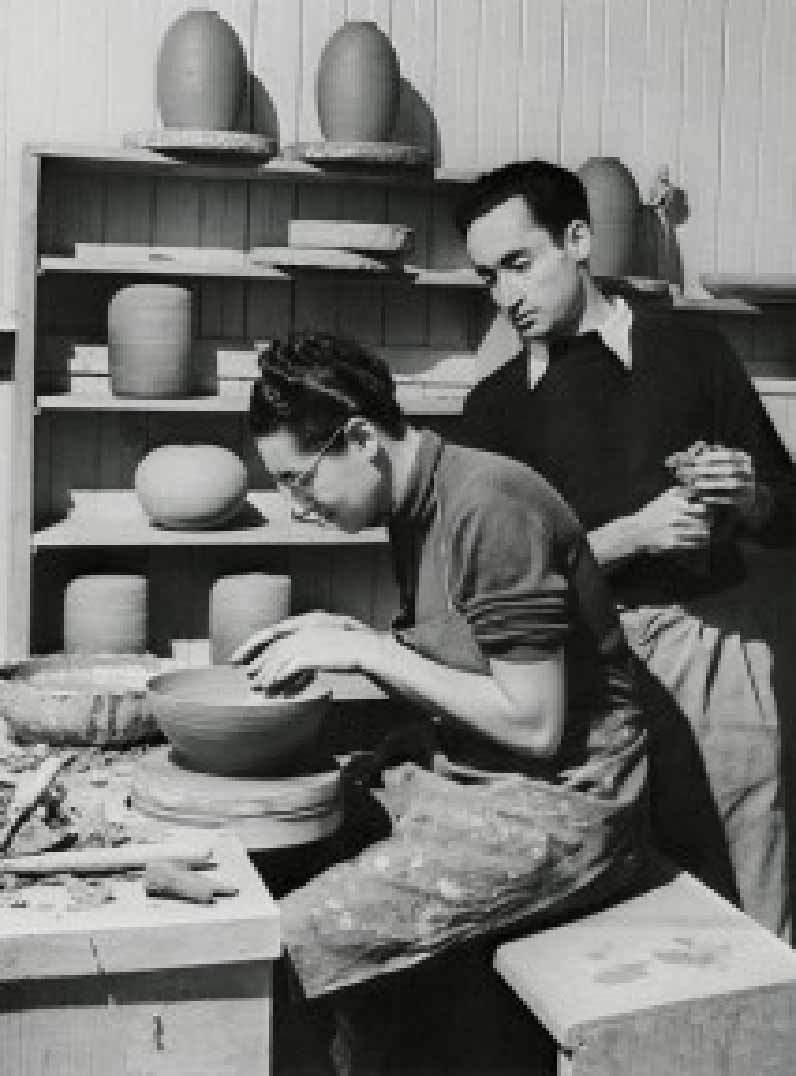
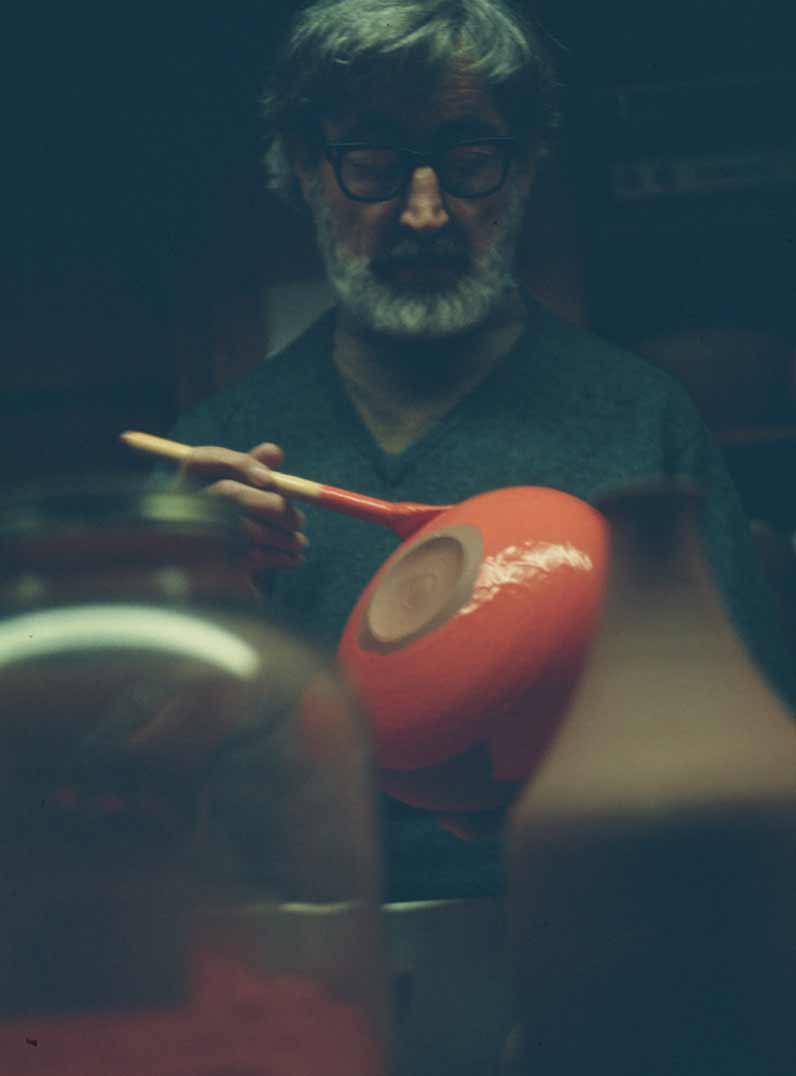
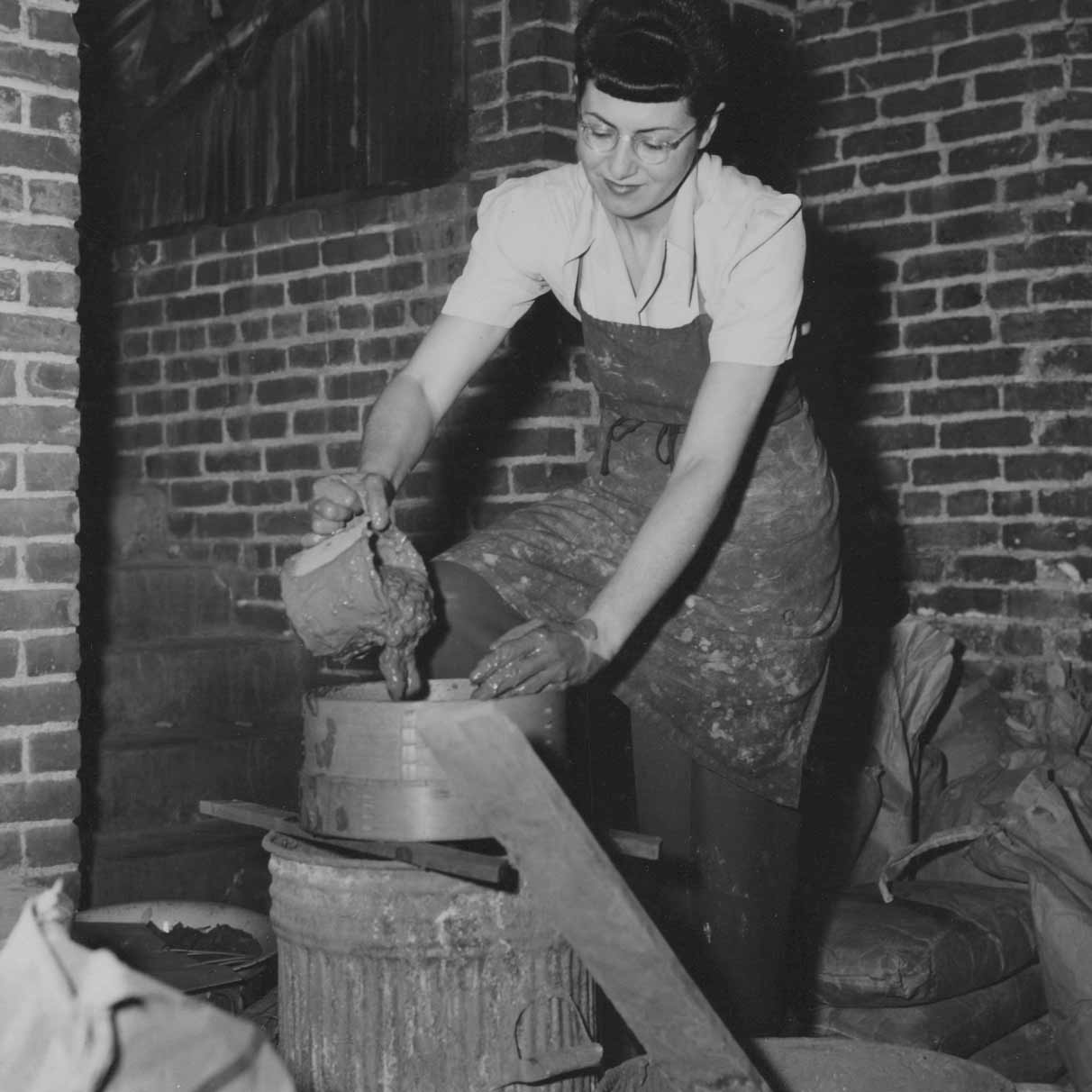
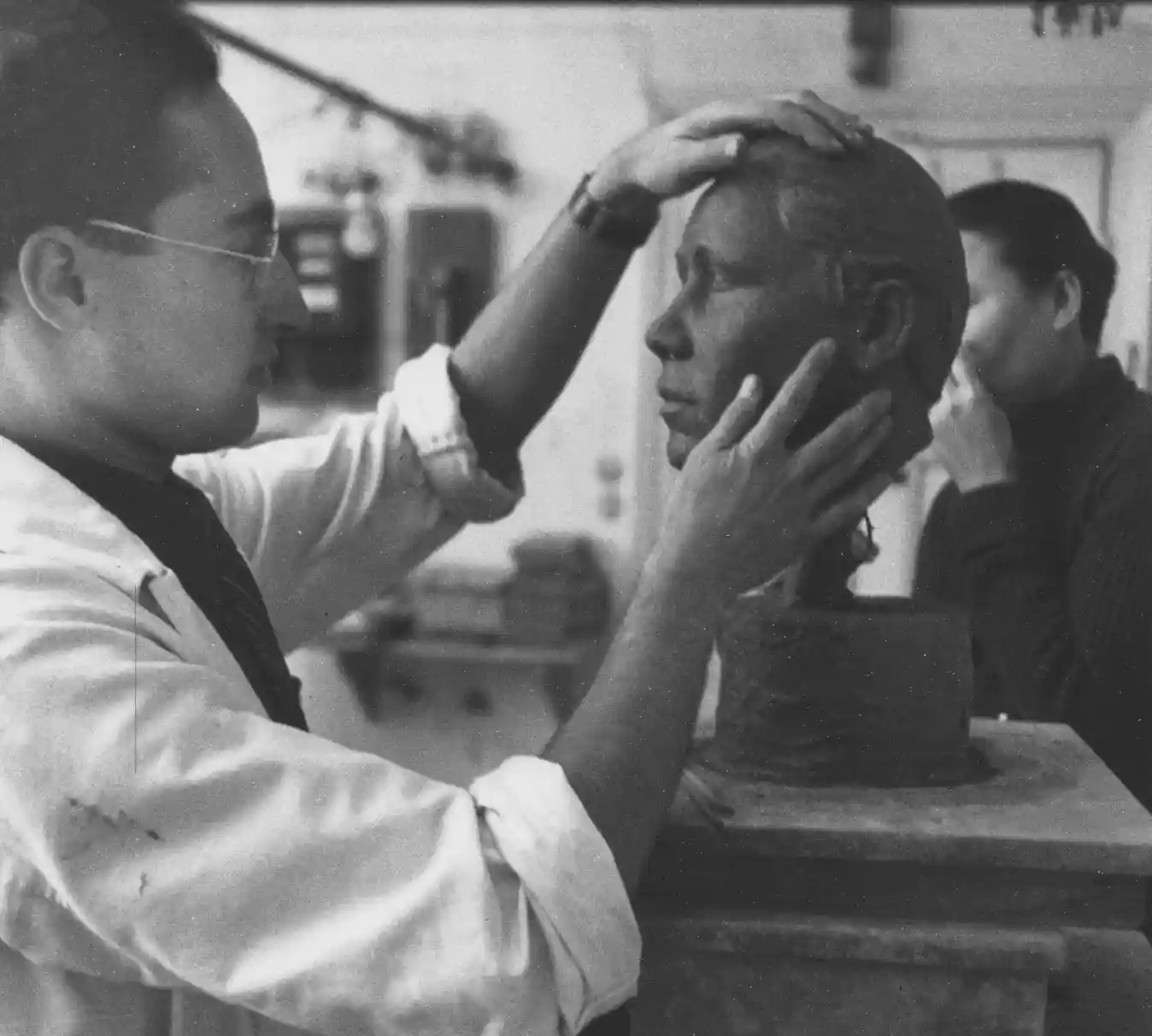
Otto Natzler was born in Vienna in 1908. A gifted violinist from childhood, he initially pursued music seriously. Though trained in design and working as a textile designer, Otto was deeply curious about art, form and expression. Before discovering clay, he was already guided by a modernist sensibility. This early devotion to craft, color and texture would later define his approach to ceramics after meeting his muse, Gertrud.
1933
Call it luck or accident. On a rainy Sunday in Vienna in 1933, Otto accepted a long-standing invitation from his friend, and local bookstore owner, Hans Amon to visit the family’s summer house. Otto knew the poor weather meant Hans’ sister, Gertrud, would be there. The rain slowed the day, giving Otto and Gertrud time to talk, travel home together, and quietly connect.
Mid 1930s
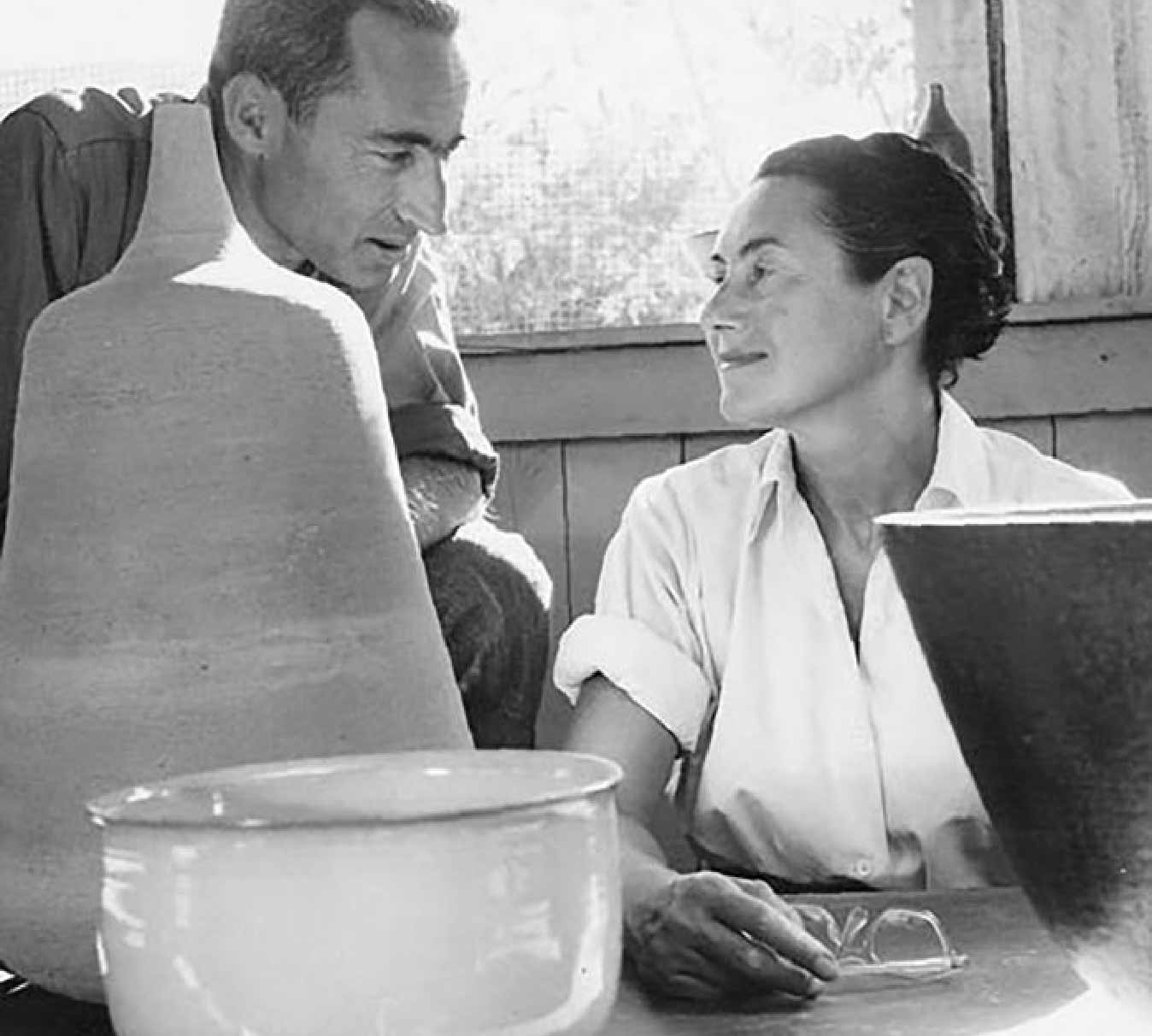
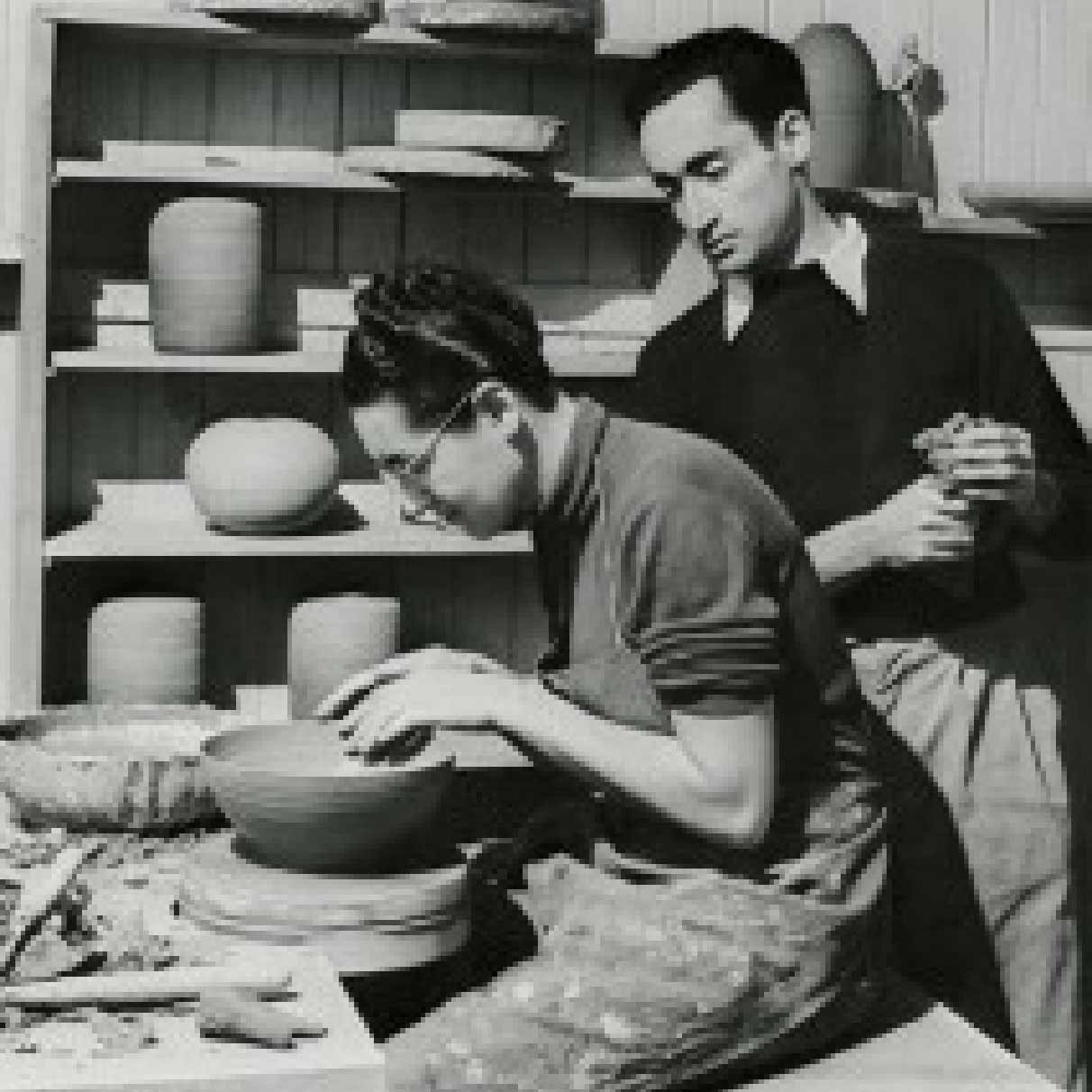
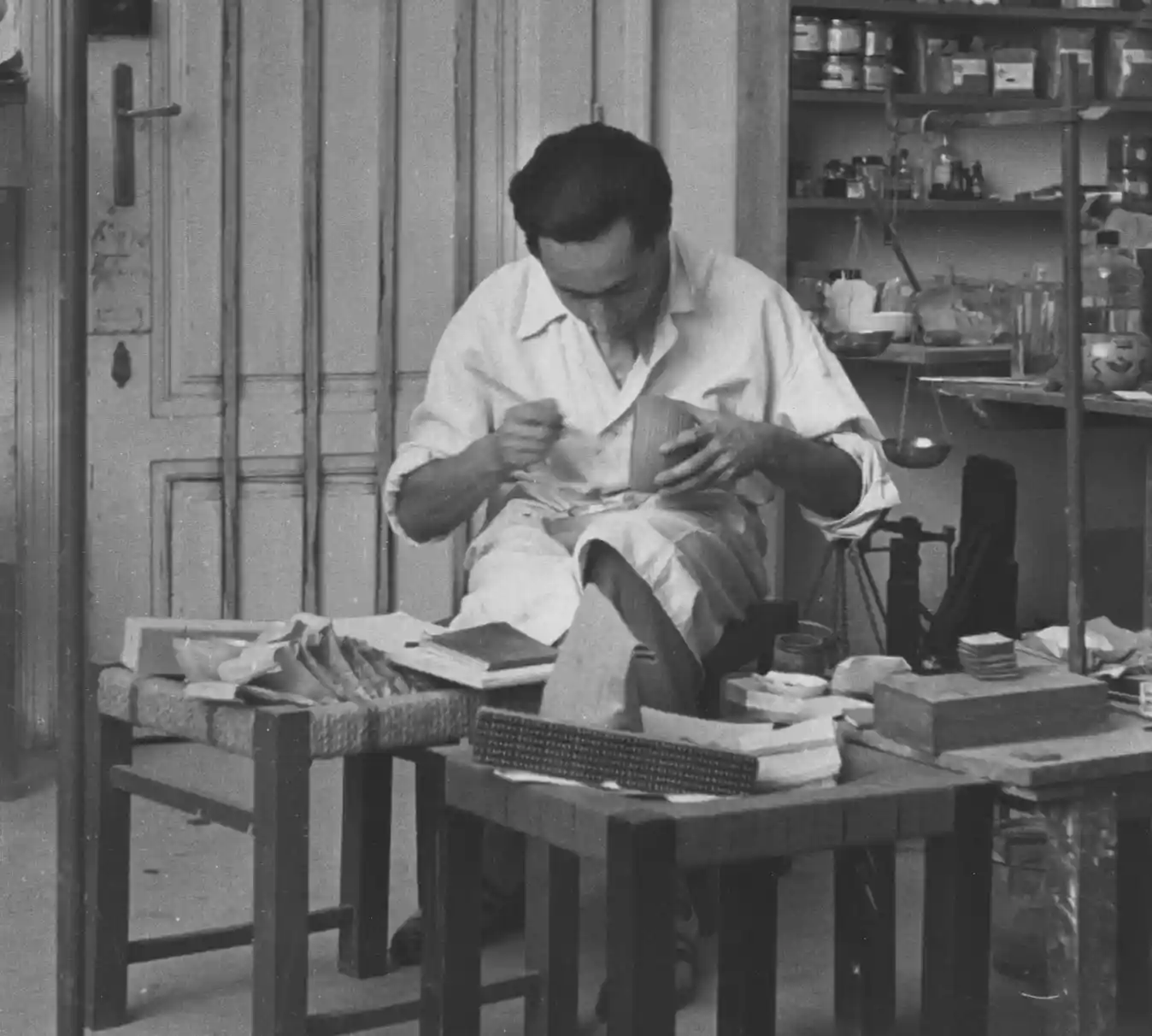
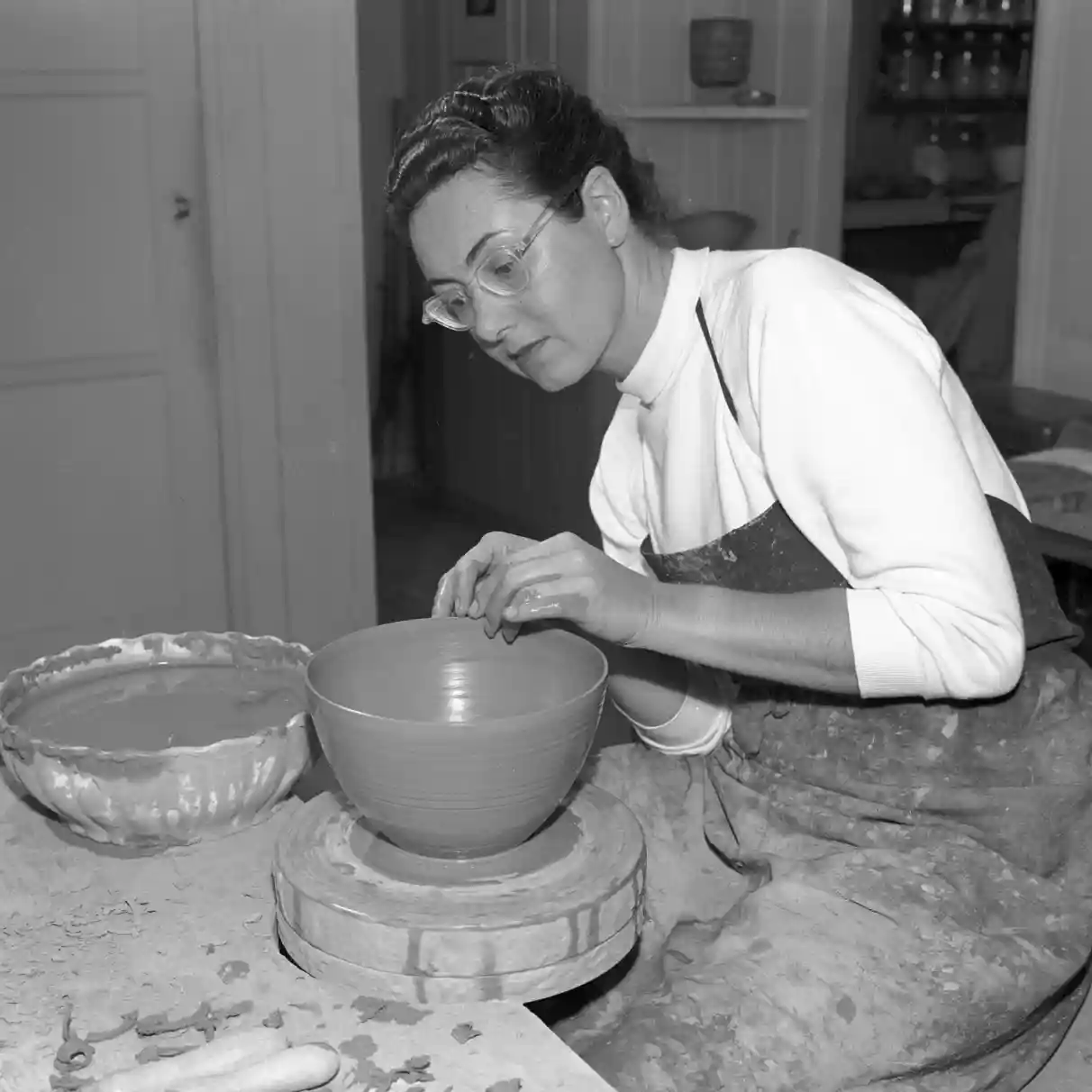
By the mid-1930s, Gertrud and Otto were developing a quiet but radical body of work in Vienna. Gertrud shaped refined vessel forms, while Otto experimented with glaze chemistry. Together, they balanced precision and experimentation, form and atmosphere, helping define a distinctly modern voice in what would soon be recognized as fine-art ceramics.
1937
In 1937, their ceramics received international recognition with a prize at the Exposition Internationale des Arts et Techniques in Paris. On the same day they learned of this award, Nazi troops entered Vienna. The Jewish couple knew they would have to leave Austria, and they emigrated to Los Angeles in late 1938.
Mid-century modern America
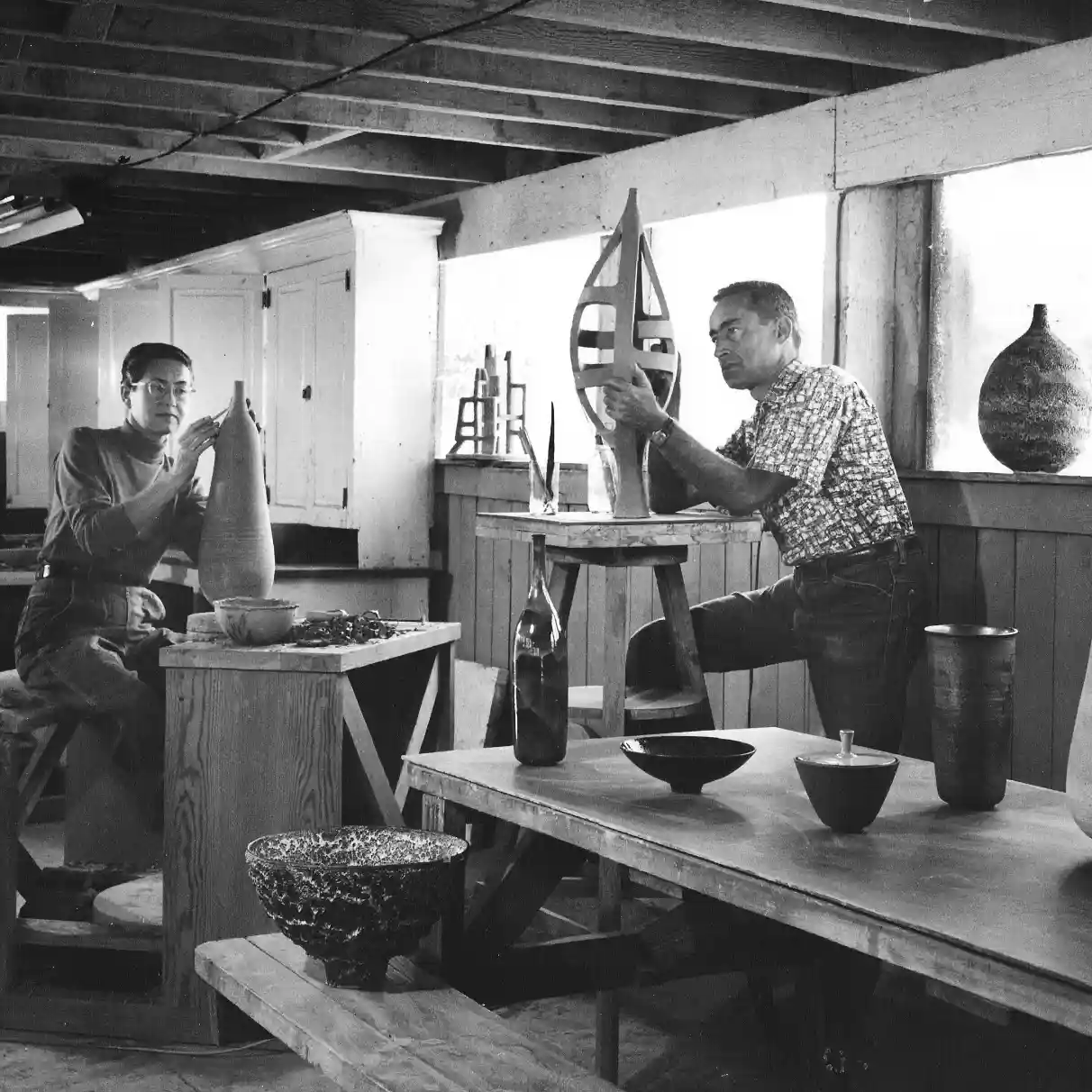
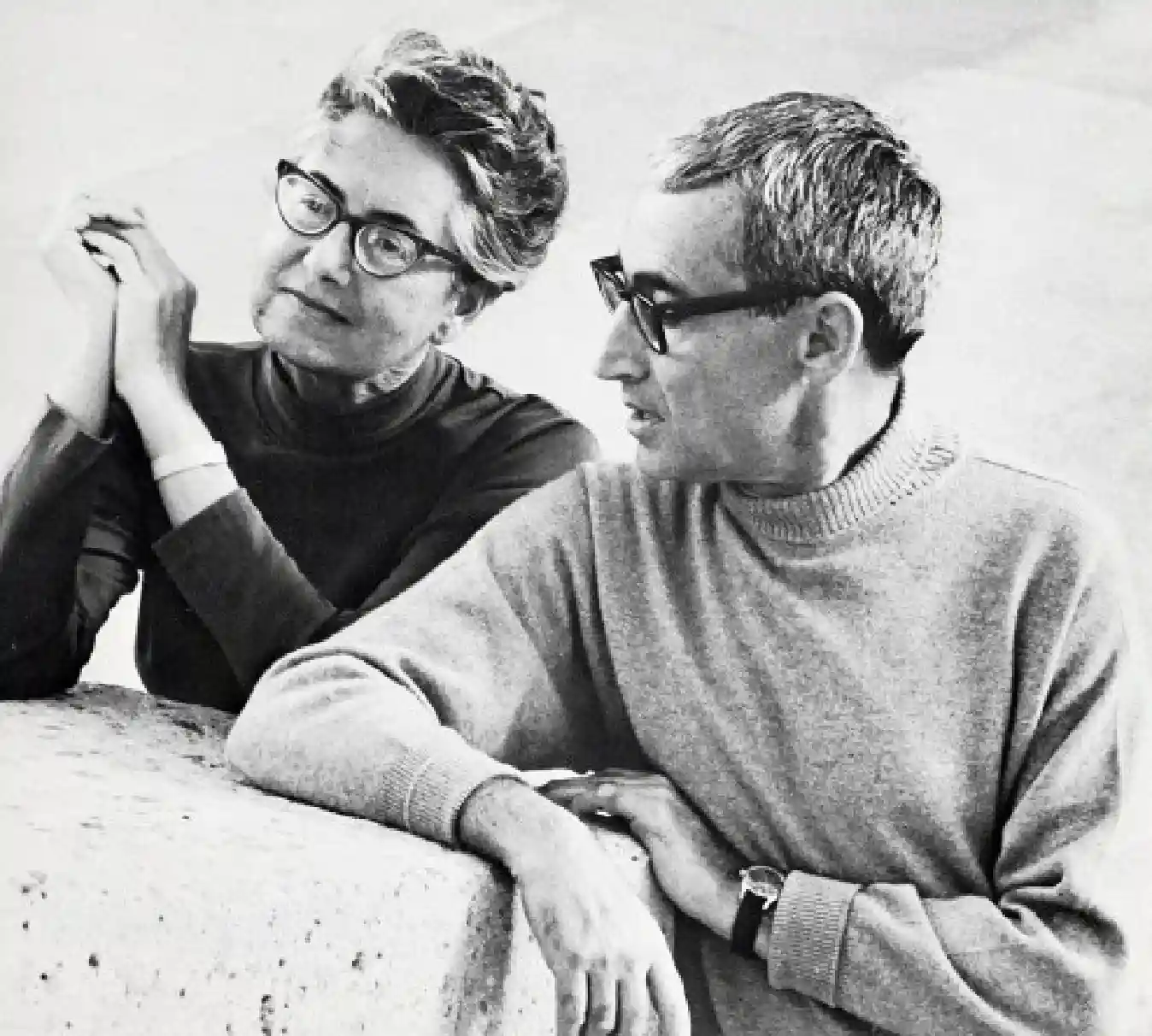
Settling in Los Angeles, the Natzlers rebuilt their studio in a city emerging as a center of artistic experimentation and mid-century modernism. Southern California’s openness to new ideas and materials proved fertile ground for their work, allowing them to help shape the course of modern ceramics for decades to come.
Impact on the studio arts movement
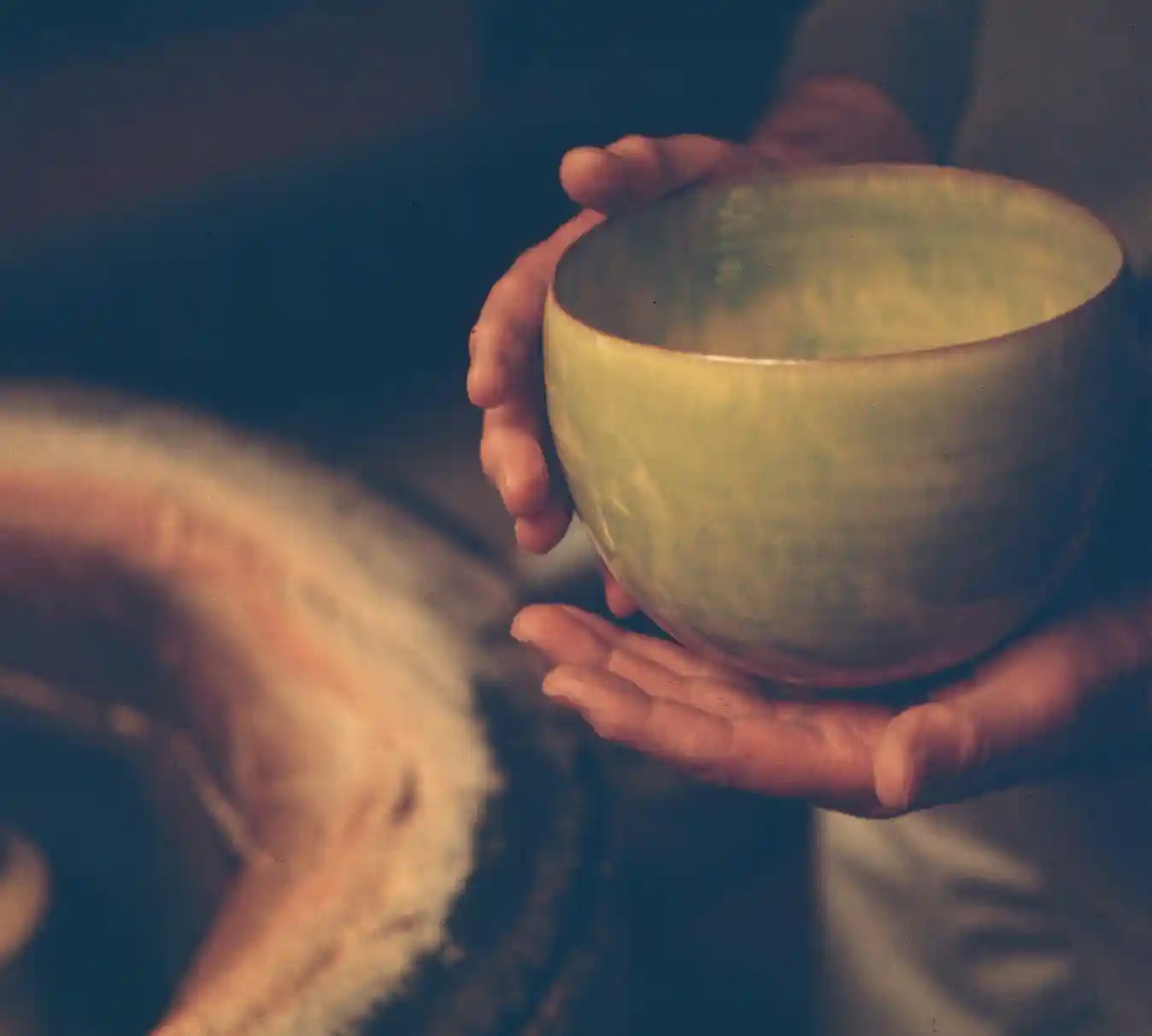
At a time when the Studio Arts Movement was booming, large studios like George Ohr, and Tiffany were changing the landscape of American art through expansive operations. Meanwhile, Otto and Gertrud were creating equal impact from their home studio, just the two of them crafting every piece by hand.
During this period, they were redefining ceramics as a fine art, using simplicity of form and eggshell-thin terra cotta clay rather than decorative, ornamental porcelain.
The Natzlers elevated the medium through modern form, experimental glazes, and quiet rigor. Their work is held in major museum collections worldwide and continues to influence generations of artists.
Today, their legacy endures not only in the beauty of the work itself, but in the way ceramics came to be seen as a vital, expressive language of modern art.